Why your ad looks AI-generated — and the avatar is not the main problem
By the Floow editorial team

Teams often blame the face when an AI video feels synthetic. Sometimes they are right. More often, the deeper problem is a scene where nobody behaves like a person with a reason to be there.
Realism is not only image quality. It is the consistency between wording, gesture, product, environment, and edit.
The script knows too much
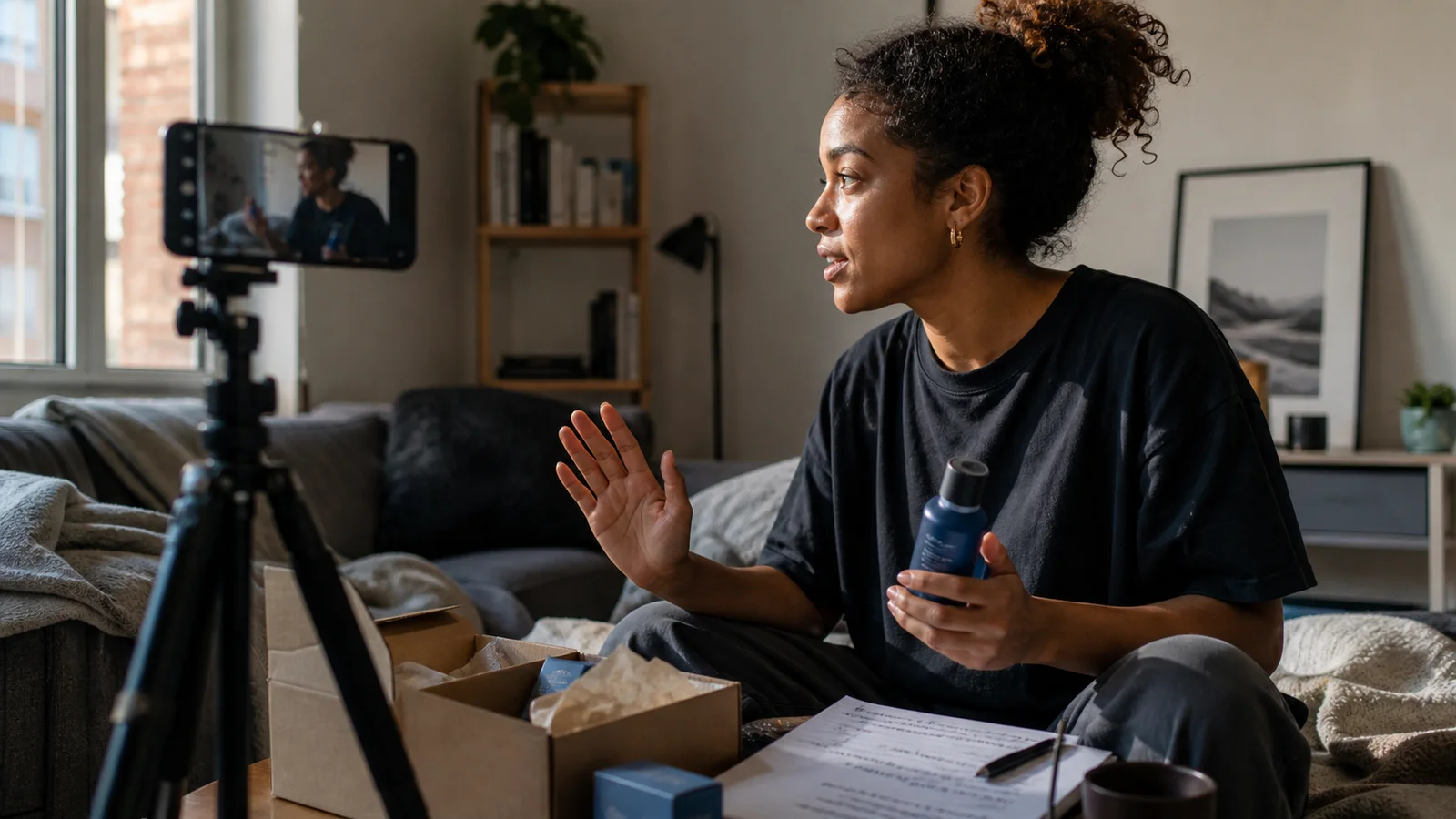
A supposed first-time user who recites the full product taxonomy, shipping policy, and five benefits sounds like a spokesperson. Give the person one motivation and only the information that character would naturally mention.
The product never affects the scene
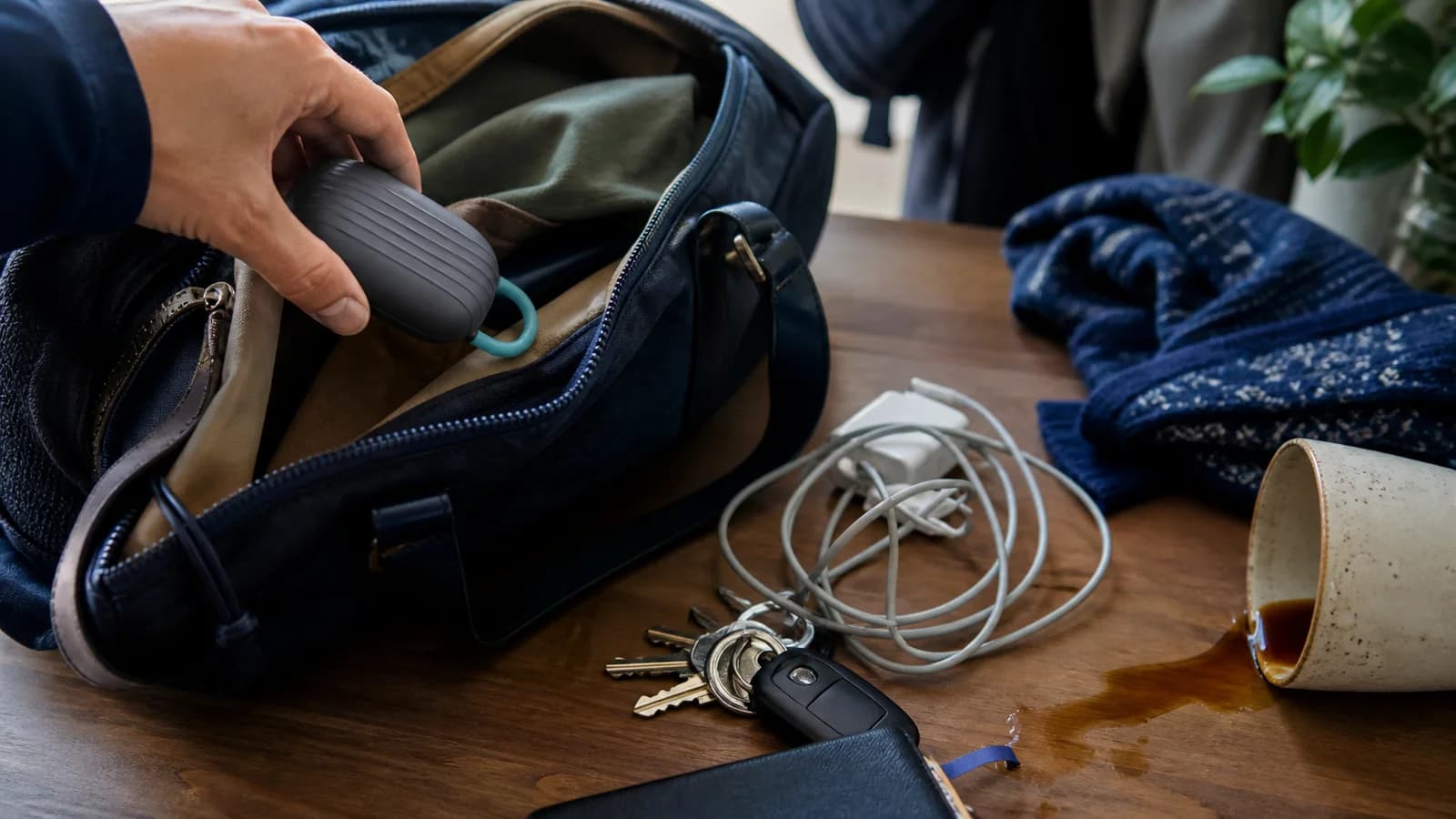
If the creator holds an item but never opens, applies, compares, or reacts to it, the product is a prop. Build one physical beat into the script so the object changes what happens next.
Every frame is polished in the same way
Perfect exposure, centered composition, and identical pacing can feel less authentic than a controlled imperfection. Do not add fake camera shake. Vary shot purpose: observation, detail, demonstration, and reaction.
Fix coherence before chasing fidelity
Review the video without sound, then listen without watching. The visual story and spoken story should each make sense and reinforce the same claim. A coherent modest render will usually feel more believable than a high-fidelity scene built on generic behavior.